Introduction to Recovery Techniques
In an age where wellness and self-care have taken center stage, at-home recovery techniques such as saunas and ice baths have gained significant traction among fitness enthusiasts and health advocates. The importance of recovery in physical health cannot be overstated; it is essential for muscle repair, stress relief, and overall well-being. Proper recovery methods can facilitate the body’s natural healing processes, enhance performance, and improve longevity in sports and daily activities.
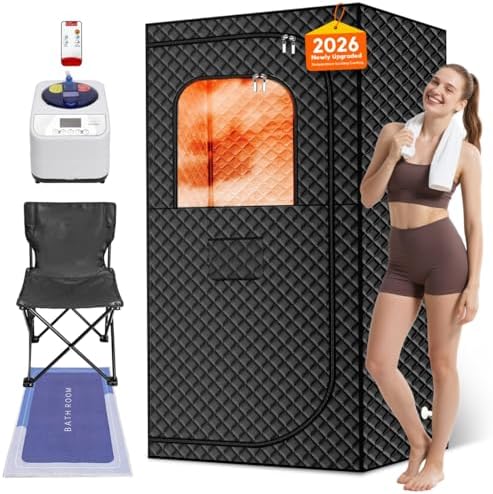
At-home saunas provide an accessible way to experience the benefits of heat therapy, which can promote relaxation, improve circulation, and alleviate muscle tension. By immersing oneself in a sauna’s warmth, individuals can stimulate the release of endorphins, leading to an enhanced sense of calm and mental clarity. This method of recovery not only helps in reducing stress but also aids in detoxifying the body through sweating, making it a popular choice for those seeking rejuvenation after a long day or an intense workout.
Conversely, ice baths present an alternative recovery method that has been used for centuries, particularly among athletes. The chilly immersion helps manage inflammation and reduce muscle soreness after rigorous physical activities. Cold exposure can constrict blood vessels, thereby limiting the accumulation of metabolic waste and alleviating the pain associated with overexertion. For many, this technique serves as a critical component for improving recovery time and maintaining optimal performance levels.
As wellness choices continue to evolve, the integration of at-home saunas and ice baths into daily routines emerges as a practical means of enhancing recovery. Given their numerous benefits, these techniques not only cater to physical health but also contribute significantly to mental and emotional equilibrium. With a growing emphasis on self-care and holistic wellness, embracing such practices can empower individuals to take charge of their health in a comfortable and convenient manner.
The Science Behind Saunas: How Heat Therapy Works
Saunas have been utilized for centuries in various cultures as a means of relaxation and rejuvenation. The primary therapeutic benefit of sauna use stems from heat therapy, which is known to promote muscle relaxation, enhance detoxification, and improve overall circulation. When exposed to elevated temperatures, the body’s physiological response initiates a variety of beneficial processes.
The mechanism behind heat therapy primarily revolves around the dilation of blood vessels. As the heat penetrates, the body’s core temperature rises, leading to an increase in heart rate and an enhancement in blood flow. This elevated circulation aids in the transport of oxygen and nutrients to the muscles, promoting recovery from physical exertion. Consequently, many individuals report decreased muscle soreness and improved flexibility following sauna sessions.
Moreover, heat exposure serves as a powerful tool for detoxification. Sweating is one of the body’s natural mechanisms for eliminating toxins, and sauna use induces a considerable increase in sweating. This process not only helps to flush out harmful substances but also contributes to skin health by clearing pores and improving complexion.
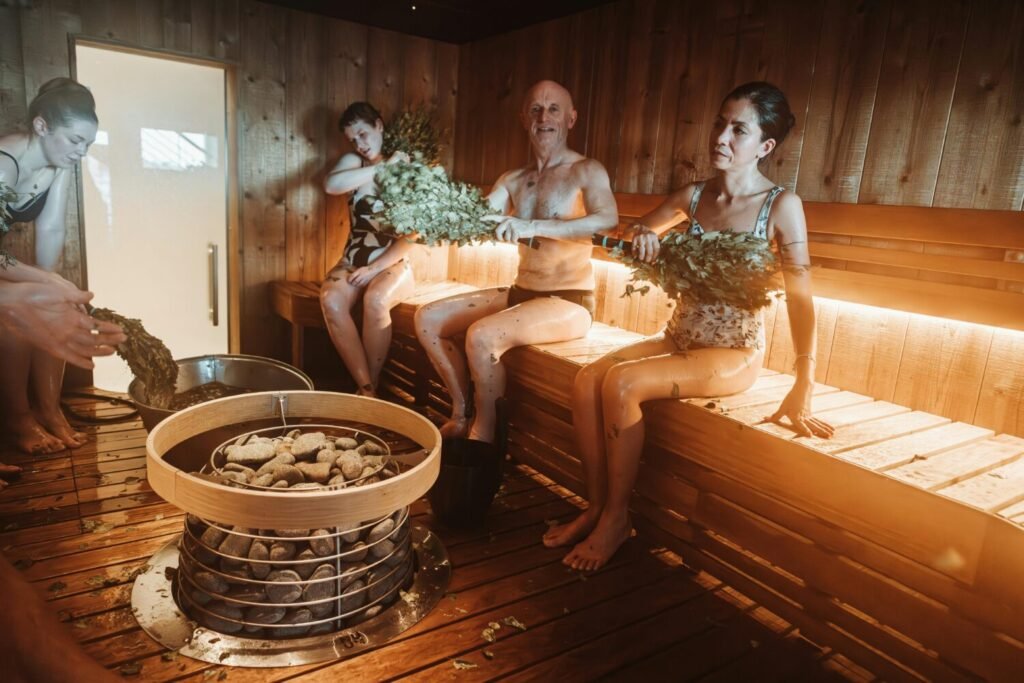
There are various types of saunas available, including traditional steam saunas and infrared saunas. Traditional saunas use heated stones or steam to increase the ambient temperature, while infrared saunas utilize infrared light to directly warm the body without warming the air around it. Each type offers unique benefits, but both can enhance relaxation and recovery.
To maximize the restorative effects of sauna use, it is recommended that sessions range from 15 to 30 minutes with a frequency of two to three times per week. Ensuring adequate hydration before and after sauna sessions is also essential for maintaining health and optimizing the benefits of heat therapy.


The Power of Cold: Benefits of Ice Baths
Ice baths, also known as cold therapy or cryotherapy, involve immersing the body in cold water to induce a range of health benefits. This practice has gained popularity among athletes and fitness enthusiasts for its remarkable ability to enhance recovery. One of the most significant advantages of ice baths is their effectiveness in reducing inflammation. When exposed to cold temperatures, blood vessels constrict, leading to decreased swelling and pain in muscles and joints. This process helps to alleviate soreness that often follows intense workouts, ultimately promoting faster healing.
In addition to its anti-inflammatory properties, cold therapy has been shown to improve mood. The shock of cold water can stimulate the release of endorphins, which are natural mood lifters. Furthermore, regular exposure to cold can enhance one’s resilience to stress, resulting in improved mental clarity and overall emotional well-being.
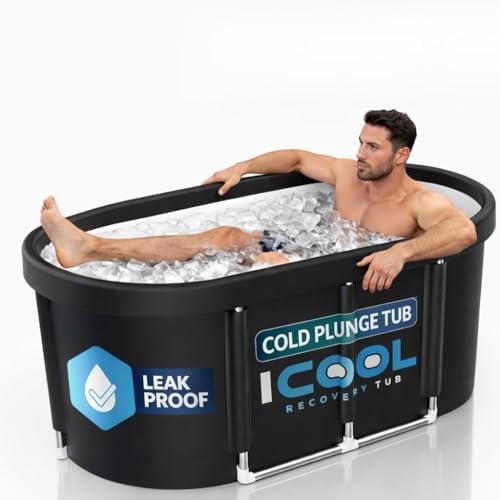
For those considering adding ice baths to their recovery routine, it is essential to approach this practice safely. Begin by preparing your space with a tub or a large container filled with cold water and ice. Ensure the water temperature remains between 50 to 59 degrees Fahrenheit (10 to 15 degrees Celsius). Immerse your body gradually, starting with just a few minutes and increasing the duration as your comfort level improves. Typically, a duration of 10 to 15 minutes is recommended for optimal benefits.
After the ice bath, it is crucial to warm up gradually. Avoid hot showers immediately following cold exposure, as this can counteract the benefits. Instead, allow your body to return to normal temperature naturally. Hydration is also vital, so drink water to help flush out toxins released during the cold therapy. By following these guidelines, individuals can fully reap the benefits of ice baths, enhancing both physical recovery and mental wellness.


Integrating Sauna and Ice Bath Therapies Into Your Routine
Incorporating sauna and ice bath therapies into a regular wellness routine offers significant benefits, including enhanced recovery and improved overall health. To effectively integrate these therapies, it is crucial to understand the best practices for sequencing them for maximum effectiveness. Generally, it is recommended to start with the sauna session, followed by a brief period of cooling down before transitioning into an ice bath. This sequence capitalizes on the benefits of heat exposure, such as increased blood circulation and relaxation of muscles, before applying the recovery aspects of the cold therapy.
Listening to your body is essential when alternating between heat and cold. Each individual’s tolerance to temperature extremes may vary, and it is advisable to pay attention to how your body responds during and after each session. Typically, a sauna session lasting 15-20 minutes is beneficial, followed by a 5-10 minute exposure to the ice bath. Adjust your session lengths based on comfort and personal objectives.
Hydration plays a pivotal role in the effectiveness of sauna and ice bath practices. The heat from the sauna can cause significant fluid loss through sweating, making it vital to replenish lost fluids before, during, and after each session. Likewise, following the ice bath, it is equally important to ensure proper hydration, as this aids in muscle recovery and overall bodily function. Stretching post-session also contributes to enhanced recovery; gentle stretches can help maintain flexibility and counteract any tightness that may arise from intense temperature fluctuations.
Lastly, creating a calming environment is key to optimizing these recovery experiences. Consider incorporating soothing music or ambient lighting during your sessions to enhance relaxation and further promote recovery. Establishing a consistent routine that includes sauna and ice bath therapies can lead to lasting benefits, ultimately supporting overall wellness.